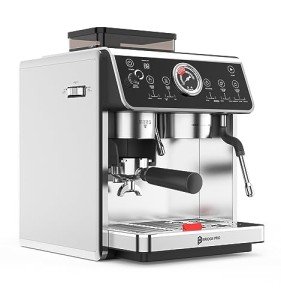
Energy-Efficient Espresso Machines: A Comprehensive Guide
On the planet of coffee lovers, espresso machines are often concerned as essential appliances for developing rich, aromatic coffee. However, the energy consumption related to these machines can result in increased energy bills and environmental issues. As consumers become more eco-conscious, energy-efficient espresso machines have actually become a popular choice. This article aims to explore the functions, benefits, and alternatives readily available in energy-efficient espresso machines, assisting coffee fans make informed options.
What Makes an Espresso Machine Energy-Efficient?
Energy-efficient espresso machines are created to decrease energy intake while maintaining optimum performance. Several features add to the energy effectiveness of these machines:
- Insulation: High-quality insulation helps maintain heat, reducing the energy required to preserve optimal brewing temperature levels.
- Smart Technology: Many modern machines are equipped with programmable settings that permit users to arrange developing times and switch to standby mode when not in use.
- Quick Heat-up Time: Energy-efficient espresso machines typically use advanced heating innovations, such as thermoblocks or PID controllers, to heat water quickly.
- Low Wattage: Machines that run at lower wattages take in less energy in general, making them more effective.
- Automobile Shut-off: Automatic shut-off features ensure that the machine switches off after a particular duration of lack of exercise, further minimizing energy waste.
Benefits of Energy-Efficient Espresso Machines
Investing in an energy-efficient espresso machine can provide a number of benefits:
- Cost Savings: Over time, lower energy intake can cause reduced electricity costs.
- Environmental Impact: Using less energy decreases carbon footprints, making these machines a more sustainable choice for ecologically mindful consumers.
- Improved Performance: Many energy-efficient models also offer superior developing innovations, leading to better-tasting espresso.
- Sturdiness: Typically, energy-efficient machines are developed with high-quality components, resulting in greater durability.
Functions to Consider
When choosing an energy-efficient espresso machine, numerous features should be considered:
- Type of Machine: Options consist of manual, semi-automatic, and fully automatic models, each with differing degrees of user control and automation.
- Brew Quality: Look for machines that use high-quality brewing systems to make sure ideal flavor extraction.
- Upkeep: Some machines have self-cleaning features that can save energy and effort in upkeep.
- Capacity: Depending on personal or family size, machine capacity can impact energy consumption, with bigger machines typically needing more power.
Popular Energy-Efficient Espresso Machines
The marketplace provides a range of energy-efficient espresso machines catering to different needs and choices. Below are some notable models:
| Brand | Design | Key Features | Energy Consumption |
|---|---|---|---|
| Breville | Barista Express | Integrated grinder, PID temperature level control, quick heat-up. | Low |
| DeLonghi | EC155 | Compact size, simple to use, resilient construct. | Moderate |
| Rancilio | Silvia | Heavy-duty style, outstanding temperature level stability, and has a low environmental impact. | Moderate |
| Gaggia | Timeless | Reliable manual operation, durable brass elements, and effective steaming capability. | Low |
| Jura | E8 | Fully automatic, wise features, and a removable brew group for easy cleansing. | Low |
Tips for Optimal Energy Efficiency
Aside from choosing an energy-efficient model, consumers can adopt several practices to make the most of energy performance:
- Preheat: If your machine has a preheating function, use it to guarantee that the optimal temperature is reached quickly before brewing.
- Switch off After Use: Always turn off the machine after brewing or utilize machines with automobile shut-off functions.
- Regular Maintenance: Keep the machine well-maintained to ensure it runs effectively and effectively.
FAQs About Energy-Efficient Espresso Machines
1. Top Espresso Machines -efficient espresso machines more costly?
While the preliminary financial investment might be higher for energy-efficient designs, the long-lasting savings on electrical energy expenses can offset the preliminary cost. Additionally, many energy-efficient machines included innovative functions that enhance the developing experience.
2. How do I know if an espresso machine is energy-efficient?
Look for indications such as Energy Star accreditation, user reviews, and specs regarding wattage and heat-up time. Machines with particular functions focused on minimizing energy intake are generally created for better effectiveness.
3. Can I use an energy-efficient espresso machine for other coffee styles?
Lots of energy-efficient espresso machines offer versatility, enabling users to brew different coffee styles beyond espresso, such as lattes and coffees, by including steaming abilities.
4. Do energy-efficient models sacrifice quality for performance?
Not necessarily. Numerous energy-efficient espresso machines are geared up with high-quality brewing technology that can boost taste extraction while reducing energy usage.
5. What maintenance is required for energy-efficient espresso machines?
Regular maintenance involves cleaning the machine, descaling when needed, and periodically examining seals and gaskets to ensure optimum performance and energy efficiency.
Energy-efficient espresso machines represent an ideal mix of efficiency, savings, and ecological responsibility. By thinking about different functions, benefits, and brand names, consumers can choose a design that matches their distinct preferences while contributing positively to the environment. As the pattern towards sustainable living grows, the popularity of energy-efficient devices, including espresso machines, is likely to continue its upward trajectory, using coffee fans a guilt-free way to enjoy their daily dosage of espresso.